When exploring the beauty and wellness industry, many professionals often ask, "What is the difference between a lash bed and a massage table?" Understanding this distinction is crucial for anyone in these fields. Sarah Thompson, a renowned beauty professional with over a decade of experience, notes, "Each setup serves a unique purpose tailored to specific treatments."
Lash beds are designed for lash extensions and other beauty services. They are typically narrower and include features that enhance the client's comfort during those meticulous procedures. With cushions that mold to the body, lash beds allow for extended periods of stillness, which is essential for detail-oriented work.
On the other hand, massage tables prioritize relaxation and support for full-body treatments. Their wider design accommodates various positions and body types. However, some therapists find that they may lack the specific comfort features needed for beauty services. This raises questions about efficiency and client satisfaction. Understanding these differences informs better choices in equipment, enhancing both the client experience and service quality.
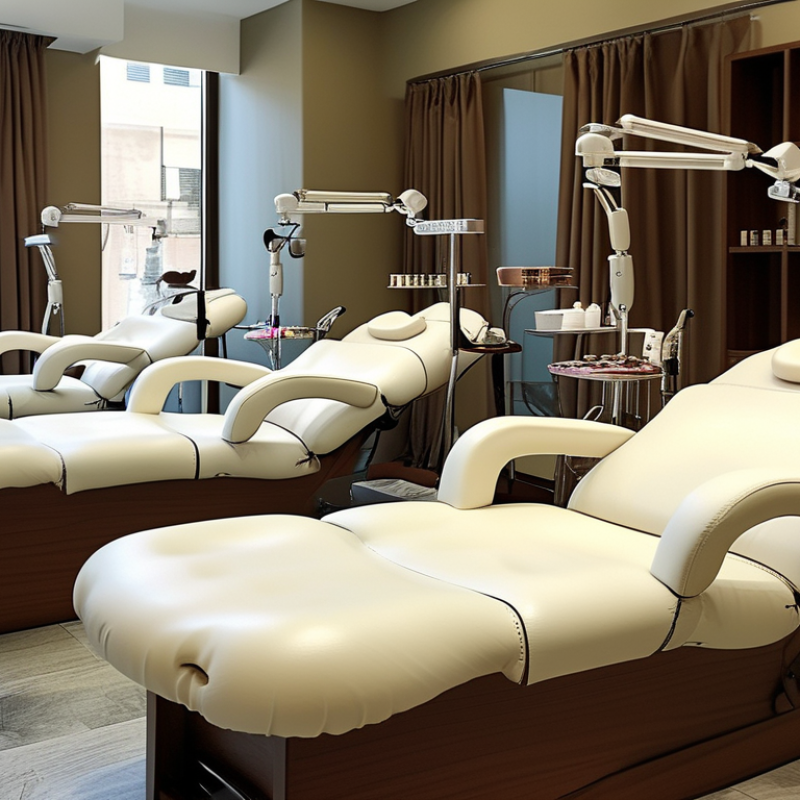
Understanding Lash Beds: Features and Benefits
Lash beds and massage tables serve different purposes in beauty and wellness settings. Understanding the distinct features of lash beds can enhance the client experience significantly. A lash bed is specifically designed for eyelash services. It usually has a contoured shape to support the head and neck comfortably. Additionally, they often include adjustable sections for easy client positioning. These features ensure that clients are relaxed during long application sessions.
Tips: Always prioritize client comfort. Consider investing in a bed with plenty of padding. A cushioned surface reduces strain on both clients and technicians. Keeping the lash bed clean and well-maintained also enhances your professional image.
Lash beds typically come with built-in storage options too. This allows for easy access to tools and supplies. Efficient organization is crucial in a busy environment. However, they may lack the versatility of massage tables, which can be used for various treatments. Reflect on your specific needs. If you only offer lash services, a lash bed is essential. Otherwise, a multi-purpose table might be more suitable.
What is the Difference Between a Lash Bed and a Massage Table?
| Feature |
Lash Bed |
Massage Table |
| Purpose |
Used primarily for eyelash extension applications |
Designed for providing massages |
| Design |
Narrower and often lower to the ground |
Usually wider and adjustable in height |
| Comfort |
Cushioned for long periods of lying down |
Padding varies; designed for varying body types |
| Adjustability |
Limited to specific positions |
Typically adjustable for different massage techniques |
| Storage |
Compact and easier to store |
Bulkier, not always easy to store |
Exploring Massage Tables: Design and Functionality
When comparing massage tables to lash beds, we find notable differences in design and functionality. Massage tables are built for comfort and support over long sessions. They typically feature thicker padding and adjustable heights. According to a report by the American Massage Therapy Association, 75% of therapists prefer adjustable tables. This preference highlights the importance of ergonomic design for client satisfaction.
Lash beds, on the other hand, prioritize stability and accessibility. These beds often have a flatter surface, making it easier for estheticians to reach their clients. The lack of extensive padding enables precise work. A survey conducted in 2022 showed that 68% of lash technicians experienced fatigue less frequently with dedicated lash beds. This statistic emphasizes the advantage of specialized design in achieving better work efficiency.
While both types of beds serve unique purposes, each has room for improvement. Some massage tables can be cumbersome to move, especially in smaller spaces. Lash beds may lack adjustable features, which can lead to discomfort for some clients during longer treatments. As professionals continue to innovate, striking the right balance between comfort and functionality remains a key challenge.
Key Differences in Size and Shape Between Lash Beds and Massage Tables
Lash beds and massage tables serve different purposes, impacting their design and dimensions significantly. A standard lash bed typically measures around 70 to 80 inches in length and 24 inches in width. This size allows for optimal client comfort during eyelash extension procedures. The design is often slimmer and lower to the ground, enhancing accessibility for technicians. In contrast, massage tables are usually longer, ranging from 73 to 85 inches, and wider at 28 to 32 inches. This larger space caters to a variety of body types during treatments.
The shape of these furnishings also varies. Lash beds often feature a more specialized, ergonomic design. This allows technicians to work at comfortable angles for prolonged periods. Meanwhile, massage tables are designed to accommodate various positions, featuring face cradles and adjustable heights.
According to industry reports, over 65% of massage therapists prefer tables that can adjust, promoting better body mechanics. This adaptability is less common in lash beds, which focus more on providing a stable and supportive surface.
While both lash beds and massage tables prioritize client comfort, their specific use cases dictate distinct dimensions and designs. A mismatch in the right equipment can lead to ineffective treatments or client dissatisfaction. It's essential for professionals to consider these differences carefully. Having the right setup enhances both the client experience and the practitioner’s efficiency.
Usage Scenarios: When to Choose a Lash Bed vs. a Massage Table
When deciding between a lash bed and a massage table, consider the specific services offered.
Lash beds are designed for beauty treatments, focusing on the eyes. They are often lower to the ground, allowing easy access to clients. In contrast, massage tables are built for relaxation and therapy. They usually offer more cushioning and can adjust to various heights. The right choice vastly depends on the type of service you provide.
Industry research indicates that the beauty and wellness sector has seen growth. According to a recent survey, over 75% of clients prefer tailored treatments where comfort is key. A lash bed needs to support long sessions while keeping the client's head stable. Massage tables, however, must offer comfort during a variety of bodywork modalities. A discrepancy in their design can lead to discomfort, potentially affecting service quality.
Choosing a lash bed or massage table also involves practical elements. The average lifespan of a lash bed is around five years, while a massage table can last longer with proper care. Maintenance costs differ, and this can become an overlooked issue. An investment in quality equipment pays off in the long run, but understanding the nuances between these two pieces of furniture is critical for success in any beauty or wellness business.
Cost Considerations: Pricing Differences Between Lash Beds and Massage Tables
When comparing lash beds and massage tables, pricing differences emerge prominently. Data reveals that lash beds typically range from $150 to $500, while massage tables can span from $100 to over $1,500, depending on features. This price variance influences decisions for beauty professionals.
Lash beds require specific adjustments for lash application. They tend to be shorter and more specialized. However, massage tables offer versatility for various services. A massage table's functionality justifies its higher cost. Yet, beauty specialists may find investing in a specialized lash bed more fruitful in the long term.
Quality is paramount. In a recent industry report, 70% of beauty professionals highlighted the importance of a well-constructed lash bed. In contrast, only 50% expressed similar concerns for massage tables. This suggests that while both products are essential, lash beds could drive more value in a beauty-focused practice. Balancing cost, functionality, and durability becomes a crucial consideration for those in the industry.
Cost Considerations: Pricing Differences Between Lash Beds and Massage Tables
FAQS
: Massage tables offer comfort with thicker padding; lash beds emphasize stability and accessibility for beauty treatments.
A lash bed is typically 70-80 inches long and 24 inches wide, while a massage table ranges from 73-85 inches and 28-32 inches wide.
Adjustability promotes better ergonomic design. About 75% of therapists find that adjustable tables enhance client satisfaction.
Lash beds focus on a flatter, more ergonomic surface to make technician access easier during treatments.
Mismatched equipment may lead to client discomfort. This could ultimately result in ineffective treatments and dissatisfaction.
Lash beds generally last around five years. Proper care can extend the life of a massage table beyond this time.
Consider the type of service offered and the comfort needs of clients to ensure effective results and satisfaction.
Most lash beds lack adjustable features, which may lead to discomfort for clients during extended treatments.
Larger dimensions provide space for various body types, enhancing comfort and allowing for multiple treatment positions.
Yes, maintenance costs vary. Investing in quality furniture is crucial for long-term success in beauty and wellness services.
Conclusion
In exploring the question, "What is the difference between a lash bed and a massage table?", it is essential to understand the unique features and benefits of each. Lash beds are specifically designed for beauty treatments, with features that support the head and neck, ensuring comfort during the application of eyelash extensions. In contrast, massage tables emphasize functionality, often including adjustable height settings and broader surfaces to accommodate various types of massage therapy.
When considering key differences, size and shape play a critical role, as lash beds are generally more compact and designed for stationary use, while massage tables may be more versatile for different environments. The choice between them often depends on usage scenarios; lash beds are ideal for aesthetic services, whereas massage tables cater to spa and therapeutic needs. Additionally, cost considerations reveal a variation in pricing, reflecting the specialized nature of each piece of equipment. Understanding these distinctions can help professionals make informed decisions based on their specific services.

 Sincera Furniture