Hair dye stains pose a constant challenge for salon professionals. According to a survey by the Professional Beauty Association, 78% of salon owners report dealing with frequent dye stains. These marks can diminish the aesthetic appeal of salon chairs and potentially affect client perceptions. Industry expert Sarah Gonzalez, a leading cleaning consultant, states, "Understanding how to remove hair dye stains from salon chairs not only saves money but also enhances the overall client experience."
In addressing the question of “How to remove hair dye stains from salon chairs?” it’s essential to employ effective methods to preserve the integrity of your equipment. Many salons struggle with persistent stains, highlighting the importance of having reliable cleaning techniques. Techniques such as using appropriate cleaning agents and acting swiftly can prevent stains from becoming permanent.
Stains may seem minor but can impact a salon's reputation. Regular maintenance and proper cleaning practices are crucial. Hair dye stains can be stubborn. Effective cleaning doesn’t just enhance appearance; it shows pride in one’s business. Ignoring these details could lead to significant long-term consequences for salon owners.
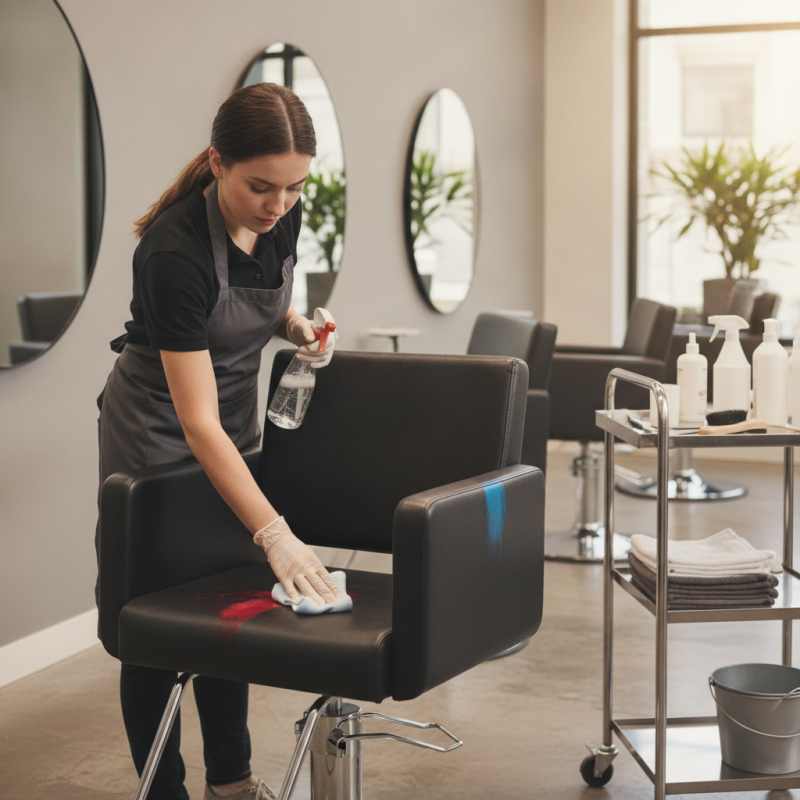
Hair dye stains on salon chairs can be a persistent problem. Understanding the composition of hair dye is crucial. Most dyes contain ammonia or peroxide, which help to open hair cuticles and deposit color. These chemicals can also stain the upholstery of salon furniture. According to reports, 70% of salons experience issues with dye stains at some point.
The staining mechanism is important to grasp. When dye interacts with fabric, it can bind chemically. Synthetic fibers are particularly vulnerable. In fact, a study revealed that nearly 80% of dye-related stains are difficult to remove without specialized products. While some salon owners rely on standard cleaning methods, these can sometimes lead to discoloration or fabric damage.
Routine maintenance is essential, but it is often overlooked. Educating staff on immediate stain treatment can help. Using protective covers is a proactive approach. However, even with precautions, stains may still occur. Regularly assessing cleaning products and techniques is vital for prevention. Understanding and addressing these factors can significantly reduce the frustration of dealing with hair dye stains.
When it comes to salon chairs, materials vary widely and greatly influence how hair dye stains can be treated. Leather and faux leather chairs are popular in salons due to their sleek appearance. However, they can absorb color quickly, making them challenging to clean. Non-porous surfaces may wipe clean easily, but you still need to act fast. If dye settles, it can become stubborn. Consider using a soft cloth and mild cleaner, but test first on an inconspicuous area.
Fabric salon chairs introduce another complication. They often trap dye within fibers. Stain removal methods can differ significantly based on the fabric type. For instance, synthetic fabrics might respond well to specialized cleaners. Natural fibers require gentle handling, or you risk further damage. A steam cleaner can be effective, but too much heat can warp the material. Cleaning these chairs often feels like a balancing act between effectiveness and preservation.
Pay attention to your chairs' material. Understanding this prevents future mishaps. Each type needs specific care. Not all stains lift easily, especially if you delay treatment. These challenges remind us to stay vigilant in our maintenance efforts. Investing time in learning about chair materials will enhance your professional environment while protecting your investment.
When a hair dye spill occurs, immediate action is vital. First, grab a clean cloth or paper towel. Blot the stain gently, avoiding aggressive rubbing. This helps absorb excess dye and prevents deeper penetration into the chair fabric. Every second counts here. The longer you wait, the harder it becomes to remove the stain.
Next, mix a small amount of mild detergent with water. Dab this solution onto the stained area with a soft cloth. Repeat the blotting process to lift the dye. Avoid soaking the fabric; a saturated chair may lead to further issues like mold growth. If the stain remains stubborn, you might need to consider a specialized stain remover. Test any product on a hidden area first to prevent further damage.
After completing these steps, allow the chair to air dry. Keep an eye on the area for any dye remnants. Dealing with hair dye stains can be frustrating, and sometimes our efforts don’t yield perfect results. Reflecting on these moments can help improve your approach next time. A proactive mindset and proper techniques can mitigate future spills and keep your salon looking pristine.
Hair dye stains on salon chairs can be a nightmare for salon owners. Thankfully, you can tackle this issue with some effective household remedies. One popular method involves using rubbing alcohol. Dampen a cloth with it and gently blot the stain. It often lifts the color without damaging the chair fabric. Remember to test it on a small area first.
Another effective solution is a mixture of dish soap and baking soda. Combine equal parts and create a paste. Apply it to the stain and gently rub with a toothbrush. This approach has successfully worked for many, but stubborn stains may require multiple attempts. Additionally, vinegar can be a great natural option. Mix vinegar with water for a gentle yet effective cleaning solution. The smell may be strong, but it dissipates quickly.
Even with these methods, results may vary based on the chair material and dye type. Some stains may still linger. It's essential to be patient and persistent when using these remedies. Keeping a consistent cleaning routine can help reduce the occurrence of such stains in the first place.
Maintaining the pristine condition of salon chairs is crucial for any hairdressing business. Preventive measures can save time and expenses related to cleaning and repairing upholstery. Using chair covers is an effective strategy. They protect the original fabric from dyes and spills. Covers are easy to remove, making cleanup straightforward.
Regular treatment of chairs with a protective spray can also help. This creates a barrier against stains. However, not all sprays suit every material. Testing before application is key. Consider creating a designated cleaning schedule, ensuring immediate attention to any spills. Waiting too long can make stains harder to remove.
It's essential to educate staff about these practices. Everyone should understand the importance of prevention. However, mistakes happen. A careless moment can lead to a color mishap. Learning from these events is vital. Reflecting on challenges can improve daily operations and reduce risks. It’s this balance of caution and experience that keeps a salon’s environment both welcoming and professional.
The following chart illustrates the effectiveness of various methods in removing hair dye stains from salon chairs.
: Rubbing alcohol is effective. Dampen a cloth with it and gently blot the stain.
Mix equal parts dish soap and baking soda to create a paste. Rub it gently onto the stain.
Yes, mixing vinegar with water creates a natural cleaning solution. The smell is strong but fades quickly.
Results depend on chair material and dye type. Some stains may require multiple attempts to remove.
Using chair covers is effective. They protect the fabric from dyes and are easy to clean.
Not all sprays are compatible with every material. Always test a small area first before applying.
Delaying cleanup can make stains more difficult to remove. A quick response keeps the chair in good condition.
Educating staff on cleaning practices is crucial. However, mistakes can occur, so reflection is important.
Be patient. Some stains may require multiple applications to fully lift. Learning from each attempt is key.
Consider consulting a professional. Sometimes, stubborn stains need specialized treatment.
This article offers comprehensive guidance on how to remove hair dye stains from salon chairs. It begins by explaining the composition of hair dye and the mechanisms of staining, which is crucial for effective stain removal. It highlights the importance of identifying different salon chair materials, as this impacts the choice of cleaning methods.
Immediate actions after a spill are critical; therefore, the article advises on swift measures to minimize damage. Additionally, it presents effective household remedies that can be used for stain removal, alongside preventive measures to protect salon chairs from future stains. Overall, this resource serves as a practical manual for salon professionals seeking to maintain their chairs in pristine condition while addressing the inevitable challenges posed by hair dye spills.
